Ankit
Ankit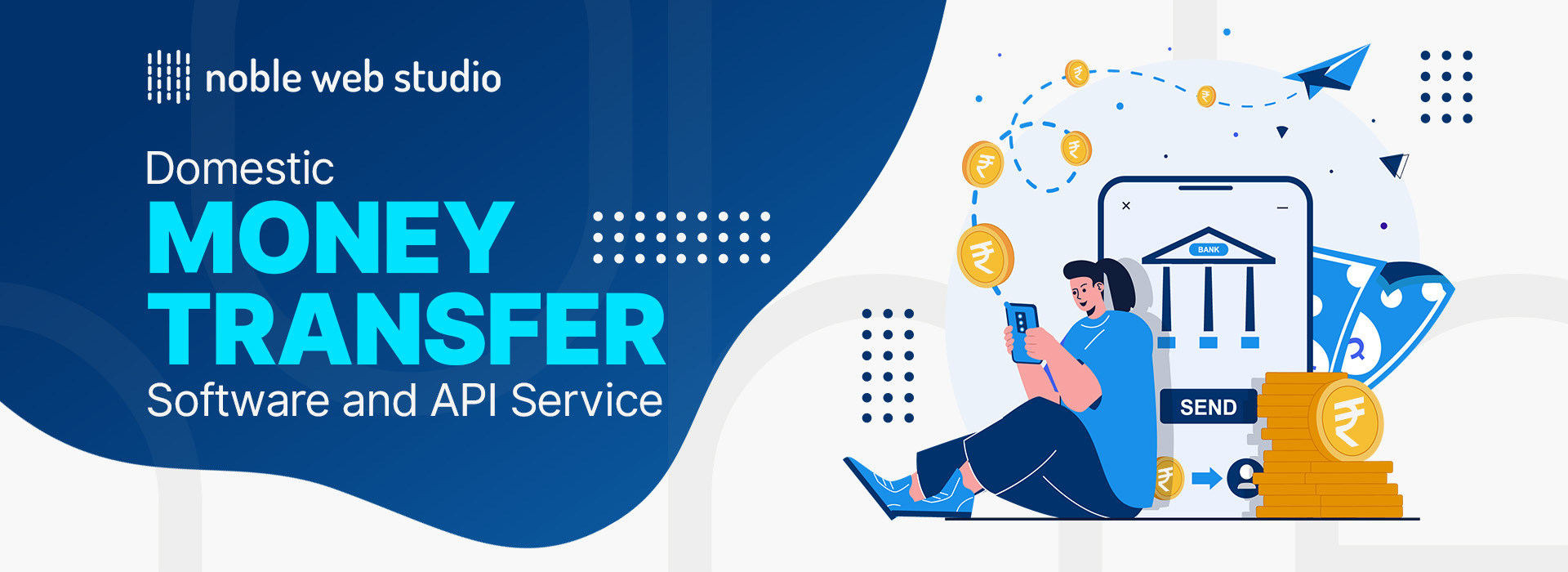
In today’s fast-moving digital world, sending and receiving money online has become an essential part of daily life. Whether it’s for business transactions, salary payments, or customer payouts, speed and security are everything. That’s where the Money Transfer API comes in a powerful solution that allows businesses, fintech startups, and developers to offer instant and secure fund transfer services directly from their platforms.
A money transfer API is an application programming interface that allows developers to embed money transfer functionality into their own apps and systems, enabling secure and automated fund transfers between bank accounts or digital wallets. It facilitates services like peer-to-peer payments, payroll, and business payouts by connecting different financial systems and streamlining the process of sending money electronically.
Whether you run a fintech app, online marketplace, or digital wallet, integrating a Money Transfer API solution helps you automate transactions, improve customer experience, and expand your financial services without building complex systems from scratch.
With the growing demand for digital banking and instant payments in India, Noble Web Studio provides reliable and scalable Money Transfer API integration for businesses of all sizes. Their solutions support IMPS, NEFT, UPI, and AEPS-based money transfers, ensuring seamless transactions for customers anytime, anywhere.
In this blog, we’ll explain what a Money Transfer API is, how it works, and why it’s crucial for modern businesses in 2025. Whether you’re running a fintech startup, a B2B platform, or a digital wallet service, understanding this API will help you grow your business and stay ahead in the competitive digital payments market.
What is a Money Transfer API?
A money transfer API is an application programming interface that allows developers to integrate money transfer capabilities into their own apps and systems, enabling secure and automated fund transfers between accounts. These APIs act as a bridge between different financial platforms, allowing for functions like instant payments, account verification, and real-time tracking of transactions. They are used to build services for both individuals and businesses, and they can support domestic or international transfers.

How Does Money Transfer API work?
A Money Transfer API is a secure interface enabling different software applications to communicate with banking networks and payment processors. This allows businesses to integrate money transfer capabilities directly into their platforms for various functions like payroll or peer-to-peer payments, without building complex financial infrastructure.
How a Money Transfer API Works
The process involves a series of steps between the user interface, the business’s backend, the API gateway, and the banking network:
- A user initiates a transfer by entering details in an app or website, which sends a secure money transfer API request.
- The Noble web studio verifies the request through authentication and compliance checks like KYC/AML.
- The API securely sends the request to the banking network using appropriate payment infrastructure (payment rails) like ACH or SWIFT.
- The receiving bank processes the transaction.
- The API relays the transaction status back to the application, providing updates to the user and business.
This automated process is secured by encryption and authentication, often completing transfers rapidly, especially with real-time payment networks.
Read Blog: What is Domestic Money Transfer in India? A Complete Guide
Types of Money Transfer APIs
Money transfer APIs can be categorized by payment method (e.g., card, bank transfer, digital wallet), transaction type (e.g., peer-to-peer, e-commerce, international), technology (e.g., UPI, IMPS, NEFT), or access model (private, partner, open). Many APIs also fall into broader banking categories, such as Open Banking, Payment, Data, and Lending APIs, based on their functionality.
By payment method
- Payment gateway APIs: Facilitate online payments, often via card processing.
- Card payment APIs: Process payments made with credit or debit cards.
- Digital wallet APIs: Enable transfers through digital wallets like PayPal or Venmo.
- Bank transfer APIs: Connect to banking networks for direct transfers.
- Currency conversion APIs: Handle foreign exchange and international transfers.
By transaction type
- Peer-to-peer (P2P) APIs: Allow individuals to send money to other individuals, often through apps like Venmo or Cash App.
- E-commerce APIs: Used by businesses to process customer payments, issue refunds, or handle vendor payouts.
- International transfer APIs: Facilitate cross-border payments, which may include currency conversion.
By technology
- UPI (Unified Payments Interface): A widely used Indian API for instant transfers between bank accounts.
- IMPS (Immediate Payment Service): Allows for 24/7 instant fund transfers in India.
- NEFT (National Electronic Funds Transfer): A system for transferring funds, typically with a batch processing model.
- RTGS (Real Time Gross Settlement): A real-time gross settlement system for large-value transactions in India.
By access model
- Private APIs: Used internally by a company to connect its own programs or through a paid, exclusive partnership.
- Partner APIs: Shared between a Noble web studio, requiring authorization.
- Open APIs: Available to a wider range of third-party developers, often with few restrictions.
- Open Banking APIs: Allow third parties to access customer data with their consent to build new applications and services.

Use Cases Money Transfer API
Money Transfer APIs (Application Programming Interfaces) are a cornerstone of modern financial technology, enabling seamless, secure, and real-time fund transfers to be embedded directly into various applications and platforms. The top use cases include peer-to-peer (P2P) payments, e-commerce transactions, business-to-business (B2B) payments, and international remittances.
Key Use Cases of Money Transfer APIs
Peer-to-Peer (P2P) Payments
Money Transfer APIs allow individuals to send money to friends and family directly through mobile apps or websites, making personal finance management convenient and fast. This eliminates the need for traditional methods like checks or physical cash exchanges.
E-commerce and Retail
Businesses leverage these APIs to integrate diverse payment options directly into their online and in-store checkout processes, which enhances customer experience and can increase conversion rates.
- Online Payments: Enables seamless online transactions using various methods like credit/debit cards, digital wallets, or direct bank transfers.
- Instant Refunds: Automates the process of issuing refunds to customer accounts, leading to higher satisfaction and loyalty.
- Agent Banking: Allows physical retail shops to act as local financial hubs, enabling customers (especially those in underbanked areas) to make cash deposits or withdrawals and send money through an agent.
Business-to-Business (B2B) Payments and Payroll
APIs streamline internal and external business financial operations by automating payments to employees, vendors, and contractors, significantly reducing manual effort and errors.
- Payroll and Wages: Automates salary disbursements and facilitates flexible pay options for gig workers and contractors.
- Vendor and Supplier Payments: Manages and expedites payments to a wide network of suppliers, improving relationships and operational efficiency.
- Bulk Payouts: Allows businesses to send many payments to multiple recipients simultaneously with a single API call, ideal for things like affiliate commissions or insurance claims.
International and Cross-Border Transfers
These APIs are essential for global operations, allowing businesses to send and receive funds across different countries and currencies efficiently.
- Multi-Currency Support: Handles currency conversion and provides real-time foreign exchange (FX) rates.
- Global Reach: Connects businesses to worldwide payment networks through a single integration.
Other Notable Use Cases
- Financial Management Tools: Powers personal finance applications by securely aggregating account data (balances, transactions) from various institutions to provide users with a holistic view of their finances and spending patterns. customer experience, and expand their service offerings in the growing digital economy.
- Account Funding: Enables users to instantly fund new accounts (e.g., investment or trading apps) by pulling funds from existing bank accounts.
- Bill Payments: Allows users to pay recurring or one-off bills directly through an integrated application.
- Lending and Insurance: Facilitates the instant disbursement of loan funds to borrowers and speeds up the process for paying out insurance claims.
Features Money Transfer API
Money Transfer APIs feature real-time transactions, robust security, and easy integration into applications. Key features include support for multiple payment methods, global reach for international transfers, and the ability to handle bulk payouts. They also offer 24/7 availability, customizable limits, and detailed reporting for tracking and reconciliation.
Core features
- Real-time and instant transfers: Facilitate the immediate movement of funds, with some supporting instant methods like IMPS and others enabling faster transfers via NEFT.
- Robust security: Utilize strong encryption and security protocols to protect sensitive financial data and prevent fraud.
- Easy integration: Designed for simple integration into existing websites, mobile apps, and other platforms, often supported by detailed documentation and code snippets.
- Global reach: Enable international transfers, allowing businesses to serve customers worldwide and handle multiple currencies.
- Multiple payment methods: Support various options for sending and receiving money, including bank transfers, e-wallets, and specific local options like UPI.
Advanced and operational features
- Bulk payouts: Allow businesses to process a large number of payments at once, such as for payroll or vendor payments.
- 24/7 availability: Process transactions around the clock, including weekends and holidays, subject to network and compliance requirements.
- Customization: Offer flexibility with customizable transaction limits and notifications.
- Reporting and reconciliation: Provide detailed transaction histories and webhooks for tracking and reconciliation.
- Compliance and fraud prevention: Help automate compliance checks (like KYC/AML) and include fraud detection and prevention tools.
- Dynamic beneficiary management: Enable the secure addition, verification, and management of beneficiaries.
Read Blog : Exploring the Top 10 Benefits of Domestic Money Transfers services in India
Benefits Money Transfer API
Money Transfer APIs provide benefits such as speed, cost reduction, seamless integration, global reach, and enhanced security. They automate transactions, which reduces processing times and operational costs. APIs can be integrated into existing systems for a better customer experience and can handle international transactions with multi-currency support. They also provide robust security through features like encryption and compliance with financial regulations.
Benefits for businesses
- Speed and efficiency: Enables real-time, automated payments, which improves cash flow and customer service.
- Cost reduction: Eliminates intermediaries and manual processes, lowering transaction fees and operational costs.
- Seamless integration: Easily integrates into existing applications and systems without extensive redevelopment.
- Global operations: Facilitates international transfers with multi-currency support and currency conversion.
- Enhanced security and compliance: Includes built-in encryption and adheres to strict financial regulations like KYC/AML and PCI DSS to protect data.
- Scalability: Can handle large transaction volumes and scale with business growth.
- Increased revenue: Offers a new service to customers, potentially increasing customer loyalty and attracting new users.
Benefits for end-users
- Improved customer experience: Offers fast, convenient, and transparent transactions, leading to greater satisfaction.
- Faster payments: Provides quick access to funds and quicker refunds.
- Real-time updates: Users can see their account changes instantly.
- Intuitive tools: Provides user-friendly interfaces for managing finances.

Read Blog : Starting a Money Transfer Business: Everything You Need to Know
Who Can Benefit from a Money Transfer API?
A money transfer API benefits various users, including individuals, companies, and financial institutions, by enabling seamless and efficient fund transfers. Individuals can easily send and receive money, while businesses can integrate money transfer functionalities into their platforms. Banks and financial institutions leverage Money transfer API to enhance their services and improve customer experience.
Here’s a more detailed breakdown:
For Individuals:
- Convenience and Speed: Money transfer API enable users to send and receive money quickly, often in real-time, without needing to visit a physical bank or money transfer location.
- Accessibility: Money transfer API can make financial services more reachable to the unbanked and underbanked populations, enabling them to participate in the digital economy.
- Cost-Effectiveness: Money transfer API provide lower transaction fees compared to traditional methods, making money transfers more affordable.
For Businesses:
- Enhanced User Experience: Integrating money transfer API can provide a seamless and user-friendly experience for customers, potentially increasing customer satisfaction and loyalty.
- Increased Revenue: Offering money transfer services via an API can generate new revenue streams for businesses.
- Reduced Costs: Integrating Money transfer API can remove the need for developing and maintaining an in-house money transfer system, reducing operational costs.
- Streamlined Operations: Money transfer API can streamline and simplify various financial processes, improving efficiency and reducing manual errors.
For Financial Institutions:
- Improved Customer Experience: Money transfer API allow banks to provide new and innovative services to their customers, enhancing their overall experience.
- Enhanced Efficiency: Money transfer API can streamline internal processes and enable faster data exchange, leading to increased efficiency.
- Cost Reduction: Integrated Money transfer API can reduce operational costs and improve resource allocation.
- Competitive Advantage: By leveraging APIs, banks can offer more competitive services and attract new customers.
Examples of beneficiaries:
- Domestic Money Transfer (DMT) API: Specifically benefit individuals and businesses in India by facilitating money transfers to any bank account within the country.
- E-commerce platforms: Can integrate money transfer API to allow customers to make payments directly on their websites.
- Fintech companies: Use APIs to offer innovative financial services like digital wallets, mobile payments, and international money transfers.
- Banks and financial institutions: Integration Money transfer API to offer a wider range of services to their customers and improve their internal operations.
Process Money Transfer API Integration
Integrating a money transfer API involves a structured process covering business, technical, and compliance aspects to embed secure fund transfer capabilities into an application.
Integration Process Steps
1. Research and Select an API Provider
- Define Needs: Determine the required features (domestic/international transfers, P2P, bulk payouts, supported currencies/payment methods like IMPS, NEFT, ACH, cards, digital wallets).
- Evaluate Providers: Noble web studio based on security protocols, ease of integration (clear documentation, SDKs, sandbox environment), cost structure (transaction fees, setup costs), reliability (high uptime), and customer/developer support.
2. Sign Up and Complete Verification
- Register Account: Create a business account on the chosen Noble web studio provide platform.
- Submit Documentation: Provide necessary business documents and complete Know Your Customer (KYC) and Anti-Money Laundering (AML) verification processes to ensure regulatory compliance.
- Obtain API Credentials: Once approved, you will receive unique API keys, secret keys, and other credentials required for authentication.
3. Develop the Integration
- Review Documentation: Study the money transfer API documentation to understand available endpoints, request/response formats (typically JSON), and authentication methods.
- Set Up Environment: Configure your development environment, securely store API credentials, and connect to the Noble web studio sandbox (test) environment.
- Implement API Calls: Write the code for necessary API calls in your application’s backend, such as user onboarding, recipient (beneficiary) management, initiating transfers, and checking transaction status.
- Develop User Interface (UI): Design a user-friendly interface on your front-end where users can securely input transaction details and receive real-time status updates and error messages.
- Configure Webhooks: Set up webhooks to receive real-time, automated notifications about transaction status updates (e.g., ‘successful’, ‘failed’, ‘pending’), rather than constantly polling the API for updates.
4. Test and Go Live
- Thorough Testing: Conduct rigorous testing in the sandbox environment, simulating various scenarios including successful transfers, failed transactions (e.g., insufficient funds, invalid account number), and maximum limits, to ensure proper functionality and error handling.
- Security Review: Verify that all security measures are working correctly, including data encryption (TLS/SSL), authentication, and fraud detection tools.
- Deploy to Production: Once testing is complete and successful, switch from the sandbox to the live production environment using your live API credentials.
- Monitor: Continuously monitor live transactions and API performance to identify and resolve any issues promptly.
Key Considerations
- Security: Implement strong authentication, data encryption, and comply with standards like PCI DSS and KYC/AML regulations.
- Compliance: Remain responsible for meeting all regulatory obligations, even when using a Noble web studio.
- Error Handling: Plan for various return codes and error scenarios, and implement retry logic to ensure system reliability.
- Scalability: Choose a Noble web studio that can handle your current and future transaction volumes.
How to Choose Best Money Transfer API Provider
Noble web studio is the best money transfer API provider requires evaluating several key factors based on your specific business needs. The most important considerations include:
1. Security and Compliance
Given the sensitive nature of financial data, robust security and strict regulatory adherence are paramount.
- Data Protection: Look for strong encryption (e.g., TLS/SSL) and tokenization to protect data in transit and at rest.
- Authentication: Ensure the Noble web studio uses secure authentication methods like API keys, OAuth 2.0, and multi-factor authentication (MFA).
- Regulatory Adherence: Verify the Noble web studio complies with all relevant financial regulations in your target operating regions, such as KYC (Know Your Customer), AML (Anti-Money Laundering), PCI DSS, and GDPR.
- Fraud Detection: Choose a Noble web studio that offers built-in, AI-powered fraud detection and monitoring tools to identify and prevent suspicious activities.
2. Integration and Developer Experience
A seamless integration process is crucial for saving time and development costs.
- Comprehensive Documentation: The Noble web studio should offer clear, detailed, and well-organized documentation with code examples and best practices.
- Sandbox Environment: A reliable test environment (sandbox) is essential for simulating various scenarios and thorough testing before going live with real money.
- Developer Tools: Look for SDKs (Software Development Kits) or client libraries in popular programming languages (e.g., Python, Java, PHP) to simplify development.
- Ease of Use: An intuitive developer and user dashboard can streamline management and monitoring of transactions.
3. Functionality and Features
Ensure the API supports the transaction types and payment methods your business needs, such as domestic, international, P2P, B2B, or bulk payouts, and preferred methods like bank transfers or cards. Consider if you require real-time transfers, global reach, currency conversion, and additional features like transaction tracking or automated payouts.
4. Cost and Scalability
Review the Noble web studio pricing structure for transparency, including all potential fees. Confirm their infrastructure can handle your current and future transaction volume and that they have a reliable history of high availability.
5. Support and Reputation
Evaluate the quality and accessibility of customer and technical support. Noble web studio reputation through reviews and references to gauge their reliability and service.

Why Choose Noble Web Studio for Money Transfer API Solutions?
Money transfer API solutions offer businesses a streamlined, secure, and efficient way to embed payment functionalities into their platforms. They enable businesses to automate fund transfers, reduce manual processes, and enhance the overall customer experience. These money transfer API provider a secure and reliable way to send and receive money, with features like real-time notifications and easy fund tracking.
Here’s a more detailed look at the benefits:
1. Enhanced Security and Reliability:
- Money transfer API use strong encryption protocols and follow strict compliance regulations to ensure secure transactions, safeguarding sensitive financial information.
- They offer a secure and reliable way to transfer funds, minimizing the risk of errors and fraud.
- Features like transaction history and notifications assist with bookkeeping and monitoring.
2. Streamlined Integration and Automation:
- Money transfer APIs simplify the integration process with well-documented interfaces, allowing businesses to leverage the functionality with their existing money transfer software.
- Automation of fund transfers reduces manual processes, saving time and resources.
- They enable businesses to offer faster and more secure payment services to their customers.
3. Cost and Time Savings:
- By automating transfers and minimizing manual intervention, APIs help businesses save on operational costs.
- Real-time transaction processing and instant alerts save time for both businesses and customers.
- APIs can also help reduce the cost of international money transfers by streamlining the process and minimizing fees.
4. Improved Customer Experience:
- Faster and more convenient money transfers improve the overall customer experience.
- Real-time alerts and easy fund tracking enhance transparency and customer satisfaction.
- Money transfer API allow businesses to provide a wider range of payment options, catering to diverse customer preferences.
5. Access to a Wide Network of Banks:
- Money transfer API integrate businesses with a vast network of banks, allowing them to offer services to a wider customer base, according to Round Pay.
- They enable seamless integration with various banking systems, making it easier for businesses to operate across different platforms.
6. Scalability and Flexibility:
- APIs offer scalability, enabling businesses to manage growing transaction volumes without major infrastructure changes.
- They provide flexibility regarding integration options and payment methods, adjusting to evolving business needs.
In essence, money transfer API solutions enable businesses to offer efficient, secure, and convenient payment services, ultimately driving growth and improving customer satisfaction.
Read Blog :The Cost of Developing a Money Transfer Software: A Complete Breakdown
Future Trends of Money Transfer API
The Future Money Transfer API involves APIs that power real-time, global, and secure money movement, enabling developers to integrate custom payment solutions into their applications. Key future developments include faster payment rails like RTP and instant payments, AI and machine learning for improved security and fraud detection, and the integration of new financial technologies such as digital assets and smart contracts. These advancements are driven by the need for seamless, user-friendly financial experiences, allowing for instant access to funds, faster loan disbursals, and more efficient B2B and B2C transactions.
Key Aspects of Future Money Transfer APIs
- Real-Time Payments: The shift from traditional, slower transfer methods to instant payment solutions is a core aspect of the future, allowing for near-instantaneous money movement and faster access to funds.
- API-Driven Ecosystems: APIs facilitate interoperability between banks, fintechs, and payment providers, creating a scalable and secure ecosystem for various transactions, as seen with platforms like UPI.
- Enhanced Security & Compliance: APIs offer robust security features like encryption and authentication. The future will also leverage AI and machine learning for advanced fraud detection and compliance, managing complex return codes and ensuring data security.
- Global and Cross-Border Transfers: APIs enable seamless international money transfers, expanding market reach and providing global financial experiences for customers.
- Embedded Finance: APIs allow companies to embed financial services directly into their platforms, offering integrated experiences for users to perform various financial actions (like making payments) without leaving the app.
- Data-Driven Insights: APIs provide comprehensive transaction reporting and analytics, giving businesses data-driven insights into user behavior and transaction patterns to inform decision-making.
Emerging Technologies
- Artificial Intelligence (AI): AI and machine learning are being integrated to enhance security, automate processes, and provide data-driven insights, moving beyond simple transaction automation.
- Digital Assets and Crypto: The integration of digital currencies and cryptocurrency via APIs is a growing trend, potentially using smart contracts to automate payments based on pre-defined conditions.
- Banking as a Service (BaaS): APIs are central to BaaS, allowing banks to offer their core banking infrastructure as a service to fintechs, fostering innovation and new revenue streams.
Impact on Businesses and Consumers
- Increased Efficiency: Businesses can automate money movement, streamline operations, and reduce costs through API integration.
- Improved User Experience: Consumers benefit from seamless, real-time transactions and integrated financial services within their preferred apps, leading to greater convenience and user adoption.
- New Opportunities for Innovation: Money transfer API provide the flexibility and agility for financial institutions and fintechs to build innovative solutions, access new revenue streams, and adapt to evolving customer expectations.

Conclusion
A Money Transfer API has become one of the most important digital tools for retailers, distributors, and fintech businesses in India. It allows them to offer fast, secure, and real-time money transfer services directly to their customers. With a strong API system, users can send money to any bank account instantly, process withdrawals safely, and manage transactions without any delay. This makes digital payments smoother and helps businesses build more trust.
A Money Transfer API is a software tool that enables two different applications to communicate, allowing a company to integrate direct, real-time money transfers into its website or mobile app without manual intervention. These money transfer API securely connect different financial systems, automate the process of sending money, and allow businesses to offer their own money transfer services or streamline internal payments like payroll.
For anyone planning to start a digital payment business, Noble web studio is the right DMT API provider is the most important step. A reliable platform improves security, reduces failed transactions, and ensures the best user experience. Companies like Noble Web Studio offer advanced features such as instant settlement, high-level encryption, and easy integration making it simple for new and existing businesses to grow in the DMT market.
In today’s digital world, a smart and secure money transfer API solution helps agents, shop owners, and entrepreneurs deliver banking-like services in their own areas. If you want your platform to run smoothly and give your customers faster service, Noble web studio is the right Money Transfer API provider is the key to long-term success.
start using Noble Web Studio Money Transfer API today and take your digital payment business to the next level.
FAQ What is Money Transfer API and How Does It Work?
A Money Transfer API is a tool that allows businesses and apps to send, receive, or manage money online. It connects your system with banks or payment networks to make fast, secure, and automated transactions.
The API works by sending payment instructions from your app to the bank or payment gateway. It verifies details, processes the transaction, and provides real-time status updates, making transfers seamless for users.
Businesses, fintech apps, e-commerce platforms, and online retailers can use it to simplify payments, bill collections, or money transfers for customers.
Fast and secure transactions
Real-time payment updates
Automation of money transfers
Better customer experience
Reduced manual errors and operational costs
Choose a Noble web studio, get API keys, and integrate them into your app or website. Noble Web Studio can help with step-by-step integration for smooth and secure operations.
It enables faster payments, reduces errors, automates processes, and improves customer experience for online transactions.
Yes, APIs use encryption and secure protocols to protect sensitive banking information and prevent fraud.
Absolutely! Retailers can integrate it to accept payments from customers or pay suppliers instantly.
It can handle bank transfers, UPI payments, wallet transfers, and international remittances by the Noble web studio.
Most transactions are instant or complete within a few minutes, making it faster than traditional banking.
Some APIs are plug-and-play for non-technical users, but custom integrations may need developer support.
Costs provide Noble web studio and transaction volume. Some offer pay-per-use pricing, while others charge a monthly subscription.
E-commerce stores, fintech apps, retail shops, service providers, and any business handling frequent payments can benefit.